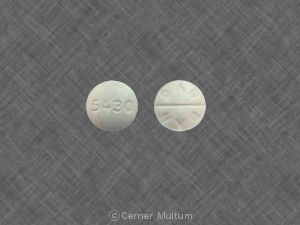


Other Names/Brands
Bisovell Plus, Blopress Plus 16, Coaprovel, Co-Irvell, Co-Telsaril, Co-Diovan, Dexacap Plus, Hapsen Plus, Hydrochlorothiazide, Irtan Plus, Lodoz, Lorinid Mite, Micardis Plus, Olmetec Plus, and Tenazide.
Mechanism of Action
Hydrochlorothiazide works as a thiazide diuretic that increases salt and water excretion through the kidneys by inhibiting sodium and chloride reabsorption in the distal renal tubules. This medication helps reduce fluid volume in the blood and tissues, thereby lowering blood pressure and reducing swelling caused by fluid retention. Hydrochlorothiazide is often used to treat hypertension and edema associated with conditions such as heart failure, liver cirrhosis, and kidney disease.
Indications
Hydrochlorothiazide is indicated for the treatment of hypertension to lower blood pressure and prevent complications such as stroke and heart attack. It is also used to treat edema caused by conditions such as heart failure, liver cirrhosis, and kidney disorders. By increasing the excretion of salt and water through the kidneys, hydrochlorothiazide helps reduce excess fluid accumulation in the body.
Contraindications
Hydrochlorothiazide is contraindicated in patients with hypersensitivity to thiazides or sulfonamides, as well as in conditions such as anuria (absence of urine production). This drug is also not recommended for use in patients with severe renal impairment or uncontrolled hypokalemia (low blood potassium levels). Furthermore, hydrochlorothiazide should be used with caution in patients with diabetes or electrolyte disturbances, as it may worsen these conditions.
Side Effects
Hydrochlorothiazide can cause several side effects, including dehydration, decreased electrolyte levels such as sodium and potassium (hyponatremia and hypokalemia), increased blood sugar levels, and increased uric acid levels, which can trigger gout attacks.
Some patients may also experience dizziness, fatigue, or low blood pressure due to decreased body fluid volume. Other rare side effects include allergic reactions, gastrointestinal disturbances, and changes in kidney function. Use of this medication should be closely monitored to minimize the risk of side effects.
Preparations
Hydrochlorothiazide is available as oral tablets in various dosages, generally ranging from 12.5 mg to 50 mg per tablet. This preparation is designed for ease of use in the treatment of hypertension and edema, with dosages that can be adjusted based on patient needs and response. Hydrochlorothiazide is also often available in combination with other antihypertensive medications to enhance therapeutic effectiveness.
Dosage
The usual adult dose of hydrochlorothiazide is 12.5 mg to 25 mg once daily, which can be adjusted based on the patient's response and clinical condition. In some cases, the dose may be increased to a maximum of 50 mg per day. It is important to follow your doctor's instructions and not change the dose without consulting a doctor.
Safety of Drugs
Hydrochlorothiazide is categorized as a pregnancy category C by the FDA, meaning animal studies have shown a risk to the fetus, but the benefits to the mother may outweigh the risks.
This medication should be used with caution and under medical supervision, especially in pregnant women, patients with kidney or liver problems, and those taking other medications that could interact. Close monitoring of the patient's condition is necessary to minimize the risk of side effects and complications.
Drug Interactions
Hydrochlorothiazide can interact with various other medications, including other blood pressure medications, corticosteroids, lithium, and diabetes medications, which can affect their effectiveness or increase the risk of side effects. These interactions can cause changes in electrolyte levels, decreased kidney function, or an increased risk of hypoglycemia. Therefore, it is important to always inform your doctor about all medications you are taking so that potential drug interactions can be properly monitored and managed.
Looking for more information about other drugs? Click here!
- dr. Alvidiani Agustina Damanik
Herman, L. L., Weber, P., & Bashir, K. (2023, November 12). Hydrochlorothiazide. In StatPearls. StatPearls Publishing. https://www.ncbi.nlm.nih.gov/books/NBK430766/
Mayo Foundation for Medical Education and Research. (n.d.). Hydrochlorothiazide (oral route) – Description. Mayo Clinic. Retrieved October 6, 2025, from https://www.mayoclinic.org/drugs‑supplements/hydrochlorothiazide-oral-route/description/drg-20071841
Medical News Today. (2024, June 20). Hydrochlorothiazide: Side effects, uses, dosage, and more. https://www.medicalnewstoday.com/articles/hydrochlorothiazide-oral-tablet
Therapeutic Goods Administration. (2020, November 19). Hydrochlorothiazide – Risk of non-melanoma skin cancer. Australian Government Department of Health. https://www.tga.gov.au/safety-and-shortages/safety-monitoring-and-information/safety-alerts/hydrochlorothiazide