
Definition
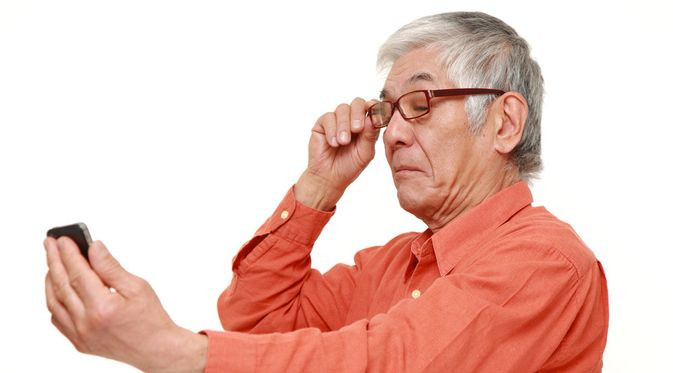
Nyctalopia, more commonly known as night blindness, is an eye disorder that causes difficulty seeing at night or in dark places. This condition is not a disease but rather a symptom caused by certain conditions. Generally, night blindness occurs due to retinal disorders, but it can also occur in people with nearsightedness or myopia due to optical or refractive disorders.
Under normal circumstances, when lighting is low, the pupil dilates to absorb more light. The light then reaches the retina, the inner layer of the eye composed of rod and cone cells. Cone cells help you see color, while rod cells aid in vision in the dark. Damage to rod cells caused by several factors, such as certain diseases, injuries, or other conditions, can lead to night blindness.
Causes
In general, night blindness is caused by damage to the retinal rod cells. These are the sensory nerve cells of the eye that function when there is insufficient light. This damage can be caused by several things, including:
- Vitamin A deficiency
- Nearsightedness or myopia
- Cataracts, which are clouding of the lens of the eye
- Retinitis pigmentosa, which is a hereditary disease that causes retinal damage
- Glaucoma, which is a disease caused by damage to the optic nerve
- Keratoconus, which is a disease that causes thinning of the cornea
Risk Factor
A person with a disease that can damage the retina or optic nerve may be at increased risk of developing night blindness. Some eye conditions that can be risk factors for night blindness include:
1. Glaucoma
This disease is characterized by damage to the optic nerve. Increased eye pressure due to the accumulation of aqueous humor can cause visual impairment, including night blindness.
2. Cataracts
This condition occurs when the lens of the eye becomes cloudy. This is caused by protein damage in the lens. This is usually caused by aging. This cloudiness of the lens can impair vision.
3. Visual Acuity Impairment
A person with myopia (nearsightedness) or hyperopia (farsightedness) is at increased risk of developing night blindness.
4. Vitamin A Deficiency
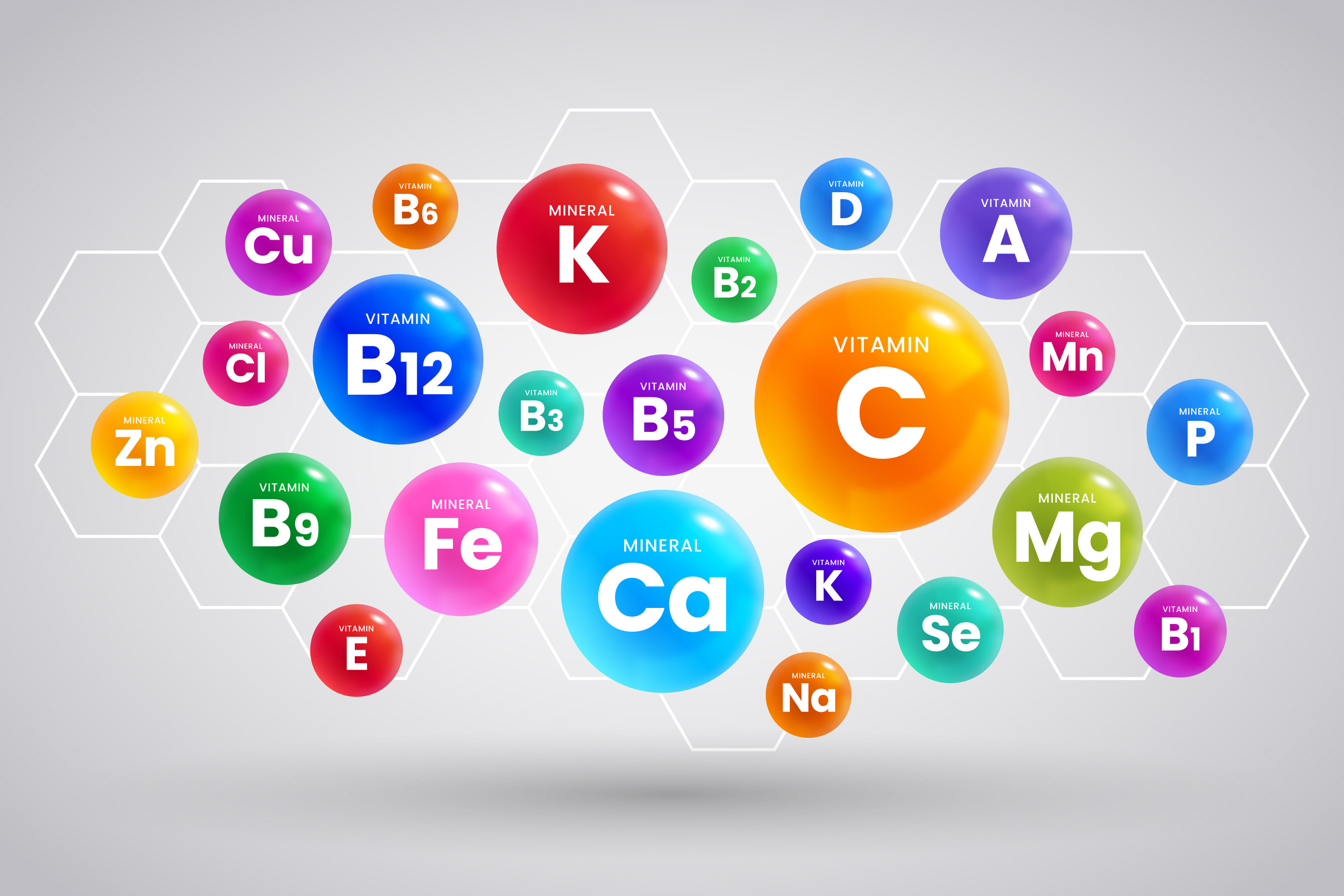
Vitamin A is an essential nutrient for vision. Vitamin A helps form light-absorbing proteins in the retina and helps maximize eye function. Therefore, vitamin A deficiency can cause serious problems.
5. Retinitis Pigmentosa
This condition is caused by genetic factors that damage the retina. Therefore, a person may have difficulty seeing in dim light.
6. Usher Syndrome
This disease is a collection of eye symptoms caused by a genetic disorder. Symptoms include vision and hearing impairment.
Symptoms
In general, nyctalopia itself is a symptom, namely impaired vision at night or in dark environments. However, you may experience several symptoms that indicate nyctalopia, such as:
- Difficulty walking at night or in dark environments, even with minimal lighting
- Difficulty driving at night or in dark environments
- Difficulty recognizing people's faces in the dark
- Requiring considerable adaptation time when moving from a brightly lit room to a dark one
Diagnosis
Diagnostic tests are more focused on identifying the underlying cause of nyctalopia, or night blindness. The doctor will ask about symptoms and medical history. Afterward, the doctor will perform an eye exam to determine the cause. Several tests that may be performed include:
- Visual acuity test
- Visual field test
- Pupillary light reflex test
- Examination of the interior of the eye using an ophthalmoscope and slit lamp
- Color blindness test
- Electroretinogram (ERG) to determine the structure of the retina
Generally, other tests are only necessary if indicated by a possible underlying condition. For example, blood tests to check blood sugar and vitamin A levels may be necessary.
Management
Treatment for night blindness depends on the underlying cause and severity. Mild cases can be treated with contact lenses or glasses. However, more severe cases require treatment tailored to the underlying condition.
Several treatments, depending on the cause of night blindness, are as follows:
- Retinitis pigmentosa: Patients with this condition require rehabilitation and genetic testing for further management.
- Cataracts: The primary treatment for this condition is surgery.
- Glaucoma: Doctors may prescribe special eye drops to reduce fluid buildup and eye pressure. Surgery or laser therapy may also be performed depending on the severity of the glaucoma and response to drug therapy.
- Myopia: Using eyeglasses, contact lenses, or refractive surgery such as LASIK may be treatment options.
- Vitamin A deficiency: Your doctor may recommend vitamin A supplements and consuming foods rich in vitamin A.
- Diabetes: If night blindness is caused by diabetes, regular diabetes treatment is necessary. Patients need to control their blood sugar through lifestyle modifications, regular check-ups, and regular medication.
- Keratoconus: For mild symptoms, patients can use glasses or contact lenses (hard lenses). In severe cases, doctors may recommend certain procedures, even corneal transplantation.
Complications
Night blindness is a symptom of an underlying condition. Therefore, complications can depend on the severity of the condition. However, in general, night blindness can reduce quality of life due to discomfort when seeing in the dark. This visual impairment can also increase the risk of falls. Patients may also have difficulty recognizing faces and objects in dim light. This can make it difficult for them to drive at night.
Prevention
Although there are several ways to prevent this condition, night blindness cannot be completely prevented. This is primarily related to genetic risk factors. However, several lifestyle changes can help you prevent night blindness, such as:
- Consume foods rich in vitamin A, such as carrots, sweet potatoes, pumpkin, mango, spinach, mustard greens, milk, or eggs
- Have your eyes checked regularly by a doctor
- Wear sunglasses to protect your eyes from ultraviolet rays. Ultraviolet (UV) rays can increase the risk of cataracts, macular degeneration, and glaucoma
- If you have myopia, wear glasses regularly
- Exercise regularly
When to See a Doctor?
If you experience difficulty seeing at night or in dark places, you should consult a doctor immediately. Symptoms that indicate a need for medical attention include:
- Difficulty driving at night
- Difficulty moving or navigating in dark environments
- Difficulty recognizing faces at night or in dark environments
Looking for more information about other diseases? Click here!
- dr. Alvidiani Agustina Damanik
Margalit, E., Thoreson WB. Night Blindness. Reference Module in Biomedical Research. Philadelphia:Elsevier;2014.
Seltman, W. What is night blindness? (2020). Available from: https://www.webmd.com/eye-health/night-blindness.
Cleveland Clinic. Night Blindness (Nyctalopia). Available from: https://my.clevelandclinic.org/health/symptoms/10118-night-blindness-nyctalopia.
Ferreira, L. What is nyctalopia? (2021). Available from: https://www.verywellhealth.com/nyctalopia-overview-5096910.
Mehra, D., Le, PH. Physiology, night vision (2020). Available from: https://www.ncbi.nlm.nih.gov/books/NBK545246/.
Goel, RD. Night Vision (2018). Available from: https://www.aao.org/eye-health/anatomy/night-vision.
Riordan-Eva, P., Augsburger, JJ. Vaughan & Asbury’s General Ophthalmology. 19th ed. New York: McGraw Hill;2018.