
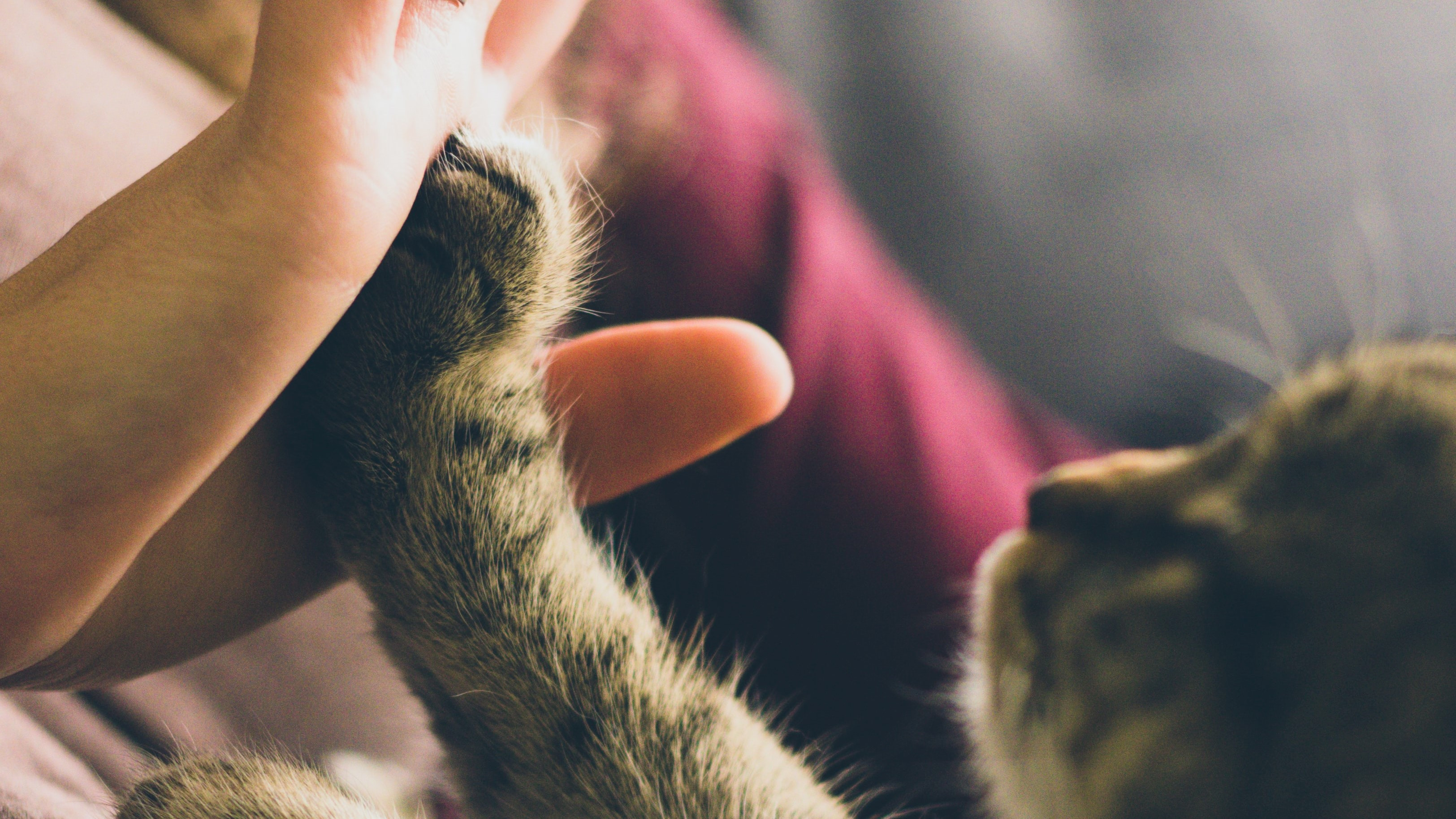
For cat owners, scratches from your furry friends may be a familiar occurrence. Whether from playful interactions or defensive reactions, cat scratches can happen easily. While they may seem harmless at first glance, untreated cat scratches can lead to infections caused by bacteria, and some of these can be quite dangerous.
First Aid for Cat Scratches
Light scratches from cats may feel painful and sore initially, but often heal on their own. However, to avoid infection, it’s important to take quick and proper care. If you or your child gets scratched, here are steps to follow:
-
Stop the bleeding by applying steady pressure to the wound for a few moments. This not only slows the bleeding but also helps flush out any dirt or bacteria on the skin.
-
After bleeding has been controlled, rinse the wound thoroughly using clean running water and soap.
-
Pat the wound dry gently with a clean towel or tissue.
-
Apply an antiseptic on the wound to minimize the chance of infection.
-
The wound doesn’t necessarily need to be covered with a bandage, but it should be kept clean. If there’s a chance that you or your child might scratch the area, using a bandage is advised.
The steps above are suitable for small or shallow wounds. However, if the scratch leads to a deep, open cut, especially one that is wide or bleeding heavily, immediate medical attention is necessary. Some signs that a wound needs to be seen by a doctor include:
-
Bleeding that continues even after applying pressure for several minutes
-
Visible muscle tissue or bone inside the wound
-
Wound edges that stay open and cannot be pressed together easily
These types of injuries may require professional cleaning and stitches. If you’re unsure about the severity of the wound, it’s best to consult a doctor. In some cases, the doctor might give antibiotics or recommend a rabies vaccine—especially if the scratch came from a stray cat or one that hasn’t been vaccinated.
Things to Look Out for with Cat Scratches
1. Rabies
Be especially cautious if the scratch came from a stray or suspicious-looking cat. Cats infected with rabies often appear overly aggressive, restless, or unusually irritable. They may lash out at other animals or chew obsessively on objects.
Rabies is a viral disease that animals can pass to humans through open wounds like bites and potentially through scratches as well. Once inside the body, the virus can affect the nervous system.
People exposed to rabies may experience muscle aches, restlessness, unusual sensations like tingling, difficulty sleeping, anxiety, and hydrophobia (fear of water). Other early signs include sore throat, fever, and nausea.
To prevent the infection from progressing, doctors will usually administer a rabies vaccine right away. This vaccine can stop the virus from attacking the nervous system, helping avoid permanent nerve damage or even paralysis.
2. Cat Scratch Disease (CSD)
Cat scratch disease, also known as cat scratch fever, is caused by the Bartonella henselae bacteria, which can be transmitted through bites or scratches, especially from kittens or infected adult cats.
If untreated, this bacterial infection may result in serious health complications, such as inflammation of the heart or brain. Common signs of cat scratch fever include red bumps or blisters at the site of the scratch or bite, swelling in the lymph nodes, fever, tiredness, and body aches.
Most of the time, treatment focuses on easing symptoms, and doctors may not prescribe antibiotics unless the case is severe. In mild cases, the illness often goes away on its own.
Looking for more information about other diseases? Click here!
- dr Hanifa Rahma