
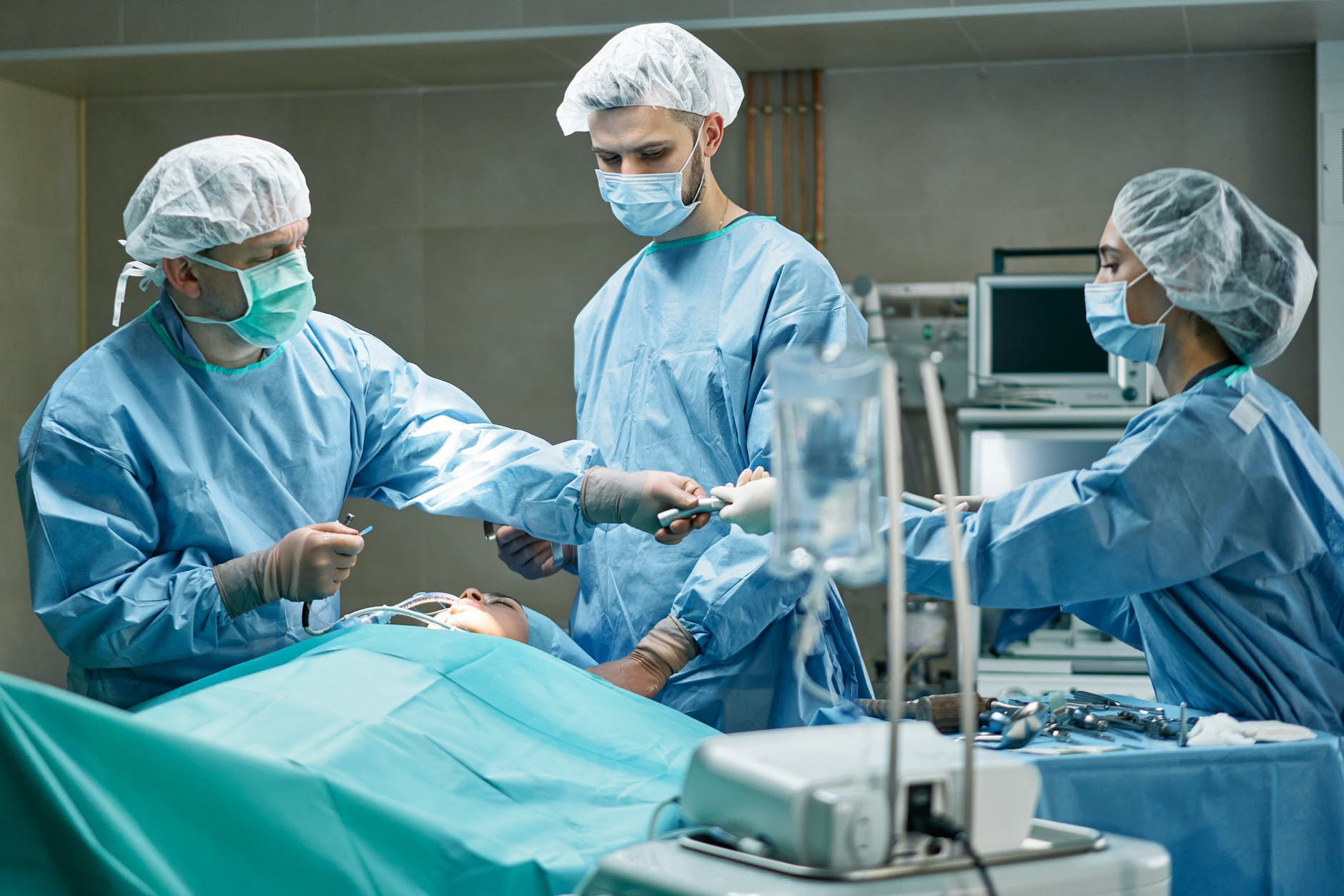
Laparoscopy is a surgical technique that allows the surgeon to access the abdomen and pelvis without making large incisions on the skin. According to NHS UK, this surgical procedure avoids wide incisions by inserting a thin tube fitted with a light and a camera. The light and camera will help the surgeons to see the conditions inside the abdominal or pelvic cavity.
Purpose of Laparoscopy
Laparoscopy is a procedure that helps doctors to diagnose various diseases based on the symptoms the patient experiences. This procedure can also be used to remove the affected tissues or organs, or to collect tissue samples to be examined further (biopsy).
According to the Cleveland Clinic, laparoscopy is used to view the following internal organs:
- Uterus
-
Ovaries
-
Fallopian tubes
-
Liver
-
Pancreas
-
Gallbladder
-
Spleen
Benefits of Laparoscopy
Laparoscopy is valuable for diagnosing some conditions that cannot be confirmed with X-rays or ultrasound, including:
-
Checking for tissue masses
-
Confirming endometriosis and pelvic inflammatory disease
-
Looking for blockages in the fallopian tubes that cause infertility
-
Checking for ectopic pregnancy
-
Checking for or removing tumor tissue growing in the digestive tract, bladder, kidneys, or uterus
-
Checking the location of the testicles in cases of undescended testicles
-
Detecting appendix inflammation
-
Removing gallstones from the gallbladder
-
Repairing hernias that are found
Laparoscopy can also help determine the cancer type by analyzing tumor samples taken during a biopsy.
Laparoscopy Complications
Potential complications during laparoscopy range from mild to severe. Mild issues may include nausea, discomfort, and light bleeding. Serious complications are uncommon during laparoscopy, with an incidence of fewer than 1 in 1,000 cases. Serious complications that can occur from this procedure include:
-
Injury to nearby blood vessels or organs
-
Damage to surrounding organs such as the bladder and intestines that may reduce their function
-
A severe allergic reaction to anesthetic medicine
-
Blood clots can enter the bloodstream and affect the legs, pelvis, or lungs. These blood clots can also travel to the heart or brain and may cause a heart attack or stroke.
Possible side effects after laparoscopy procedure include:
-
Abdominal bloating for several days after the procedure. Doctors often prescribe acetaminophen to ease pain.
-
Mild nausea, especially after meals. You can lessen this by eating smaller portions more frequently.
-
Trapped gas can cause discomfort in the neck, shoulders, and chest.
Laparoscopy is performed under general anesthesia. Because of this, you will be asleep during the procedure. After surgery, hospitalization is usually not required and most people can go home within 1 to 2 days.
Looking for more information about health tips and tricks, first aid, and other home remedies? Click here!
- dr Hanifa Rahma
NHS UK (2018). Laparoscopy (keyhole surgery). Available from: https://www.nhs.uk/conditions/laparoscopy/
Cleveland Clinic (2020). Laparoscopy. Available from: https://my.clevelandclinic.org/health/treatments/4819-female-pelvic-laparoscopy