
Cervical cancer starts when the DNA in normal cells changes, making those cells multiply without control and avoid natural cell death. Over time, these abnormal cells can form tumors and, if not treated, spread into nearby tissues and even other organs. One factor believed to trigger these cell changes is infection with HPV (Human Papillomavirus), a virus that spreads through sexual contact.
So, can a young woman develop cervical cancer?
What Is Cervical Cancer?
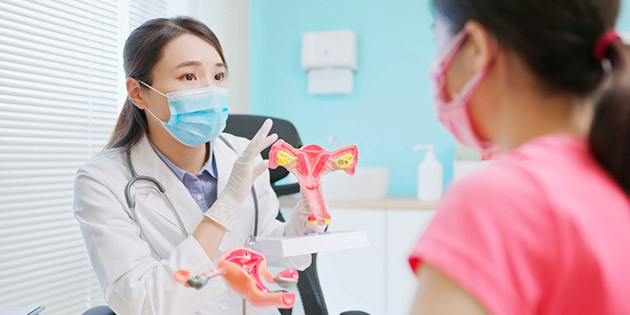
Cervical cancer is a malignancy that arises from the cervical cells. Most cervical cancer cases are strongly linked to HPV infection, a virus transmitted through sexual activity.
In the earliest phases, cervical cancer usually causes no obvious signs or symptoms. Because of this, many people with this disease are only diagnosed at a later stage, when symptoms appear or when the cancer has already spread or metastasize to other parts of the body.
Risk Factors and Causes of Cervical Cancer
Several factors can increase the risks of having cervical cancer, including:
- HPV infection
- Becoming sexually active at a young age, especially under 18
- Having multiple sexual partners
- Smoking
- A weakened immune system
- Current or past chlamydia infection
- Long-term use of birth control pills
- Pregnancy occurring before age 20
- A diet low in fruits and vegetables
- A family history of cervical cancer
Can a Young Woman Get Cervical Cancer?
Because most cervical cancer develops after women are infected with sexually transmitted HPV infection, younger women who are sexually active can be at risk. The chance varies with behaviors that affect HPV exposure.
Cervical cancer has been documented in women younger than 20, although it is uncommon. It is also important to remember that having close relatives with cervical cancer can further increase a woman’s risk of developing this disease.
How to Reduce the Risk of Cervical Cancer
The good news is that cervical cancer is largely preventable, and the risk can be lowered. Here are practical ways to reduce your chances:
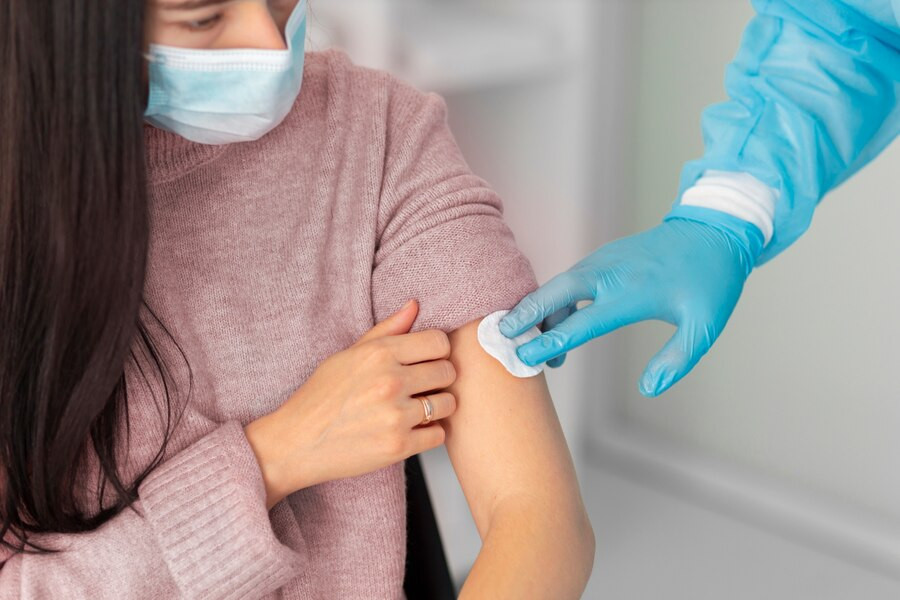
HPV Vaccines
The Indonesian Ministry of Health includes the HPV vaccine in the School Children’s Immunization Month (BIAS) program. Students in fifth and sixth grade receive HPV doses to help prevent cervical cancer later in life.
Regular Pap Smear Tests
Another proven preventive step is routine cervical screening. Women aged 21–65 are advised to have Pap smears every three years. Starting at age 30, a Pap smear combined with HPV testing every five years is another option.
Limit HPV Exposures
HPV spreads through genital and skin-to-skin contact. Transmission can occur during vaginal, anal, and oral sex with someone carrying the virus.
Limiting sexual partners and avoiding having multiple partners can reduce the chance of encountering HPV.
Using Condoms
Condoms can lower the risks of transmission of HPV infections, but they do not offer complete protection. This is because condoms do not cover all areas in the body that might be infected with HPV, including some parts of the genital skin or anal region.
Even so, condoms remain important to help prevent HIV and other sexually transmitted infections.
Quit smoking
Tobacco use increases the risk of cervical and other cancers. Stopping smoking can lower the likelihood of cervical precancer and cancer.
If cervical cancer runs in your family, talk with your doctor about the right steps to detect problems early. Prompt care is helpful if abnormal cells are found.
Looking for more information about other diseases? Click here!
- dr Hanifa Rahma
Gabrielle Kassel (2022). Can You Develop Cervical Cancer If You’ve Never Had Sex?. Available from: https://www.healthline.com/health/cervical-cancer/can-a-virgin-get-cervical-cancer?utm_source=ReadNext.
American Cancer Society (2020). Risk Factors for Cervical Cancer. Available from: https://www.cancer.org/cancer/cervical-cancer/causes-risks-prevention/risk-factors.html.
Mayo Clinic (2022). Cervical cancer. Available from: https://www.mayoclinic.org/diseases-conditions/cervical-cancer/symptoms-causes/syc-20352501.
American Cancer Society (2020). Can Cervical Cancer Be Prevented?. Available from: https://www.cancer.org/cancer/cervical-cancer/causes-risks-prevention/prevention.html.
Sehat Negeriku (2022). Kemenkes Tambah 3 Jenis Vaksin Imunisasi Rutin, Salah Satunya HPV. Available from: https://sehatnegeriku.kemkes.go.id/baca/rilis-media/20220423/2939708/39708/.
Mayo Clinic (2022). Pap smear. Available from: https://www.mayoclinic.org/tests-procedures/pap-smear/about/pac-20394841.