Definition
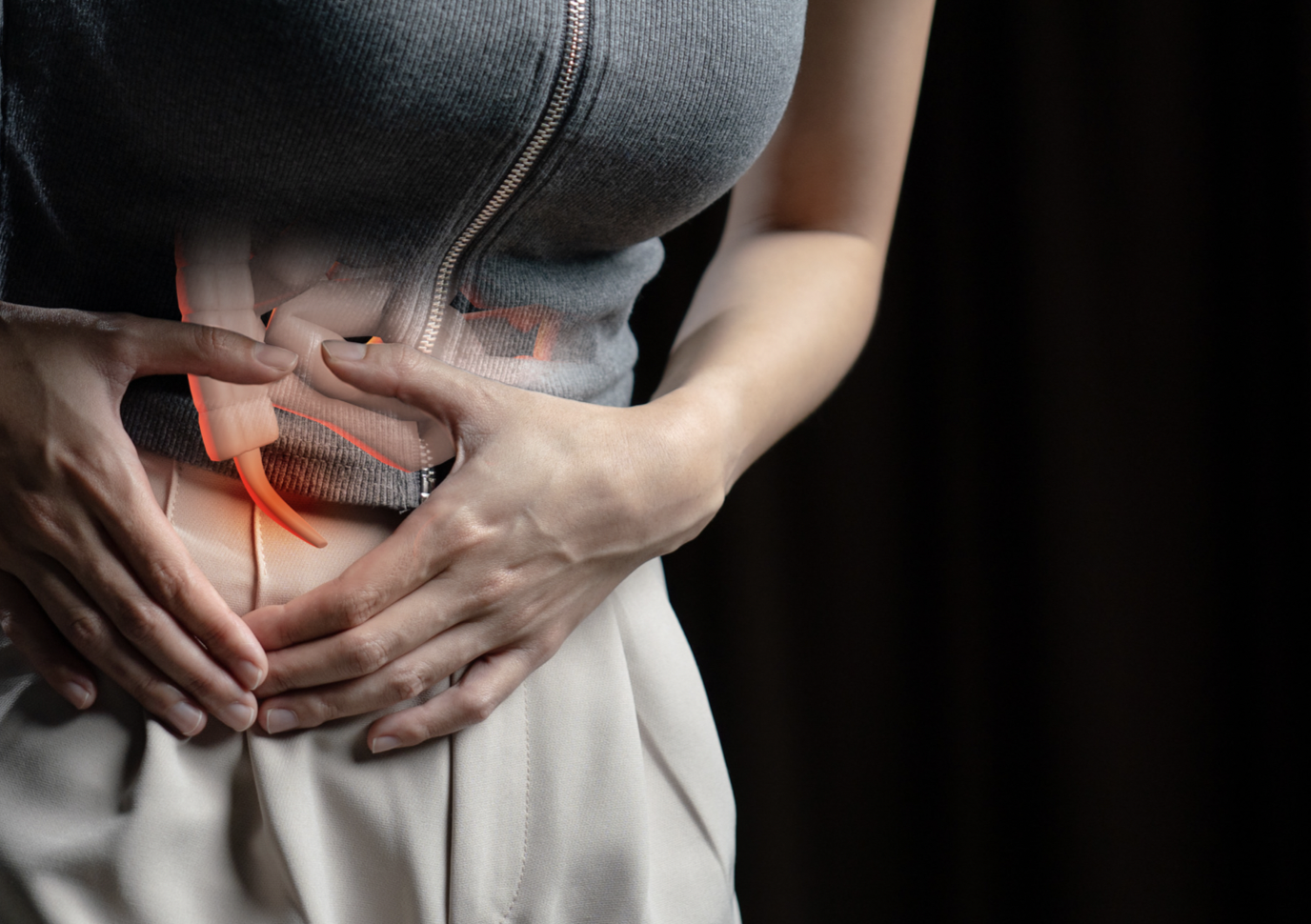
An anal fissure is a tear or injury in the anus, the terminal part of the large intestine. This condition can occur due to injury from constipation or diarrhea. Symptoms often include sharp pain during bowel movements and visible blood in the stool. Anal fissures typically heal on their own within a few days or weeks. This condition can affect any gender or age group but is most common among infants and those aged 10 to 30.
A common recommendation for managing this condition is to increase dietary fiber intake. Severe cases may require medication or surgery. Symptoms of anal fissures are similar to those of hemorrhoids, such as fresh blood in the stool; however, hemorrhoids are caused by swollen veins in the anus forming lumps.
Causes
Anal fissures are usually caused by injury to the anus, often due to constipation, as hard, large stools can scrape the anal wall, causing a tear. This results in pain, bleeding, and tension in the surrounding muscles. Other causes include:
- Straining during bowel movements due to constipation
- Persistent diarrhea
- Childbirth
- Colorectal cancer
- Sexually transmitted infections (STIs) such as syphilis or herpes
- Tuberculosis
- Abnormalities in the anal musculature (anal sphincter), such as increased muscle tension, can elevate stress within the anal canal, making it more prone to fissures.
Risk Factor
Anal fissures can occur in anyone, but they are more common in infants and adolescents. Factors that increase risk include:
- Chronic constipation
- Persistent diarrhea
- Recent childbirth
- History of anal intercourse
- History of sexual abuse
- Previous procedures involving instruments inserted through the anus, such as a colonoscopy
- Conditions like inflammatory bowel disease, herpes simplex, or colorectal cancer
Symptoms
Symptoms of anal fissures include:
- Sharp pain during bowel movements
- Visible blood in the stool
- Burning and itching around the anus
- Foul-smelling discharge from the anus
- Irritability in infants and children due to pain and difficulty during bowel movements
Diagnosis
Diagnosis of anal fissures includes a detailed interview, physical examination, and supporting tests.
- Detailed interview: Focusing on symptoms, pain, and usual bowel movement habits, as well as risk factors.
- Physical examination: performed on the patient's anus by inserting a finger into it with a lubricated glove. This examination looks for abnormalities in the anal muscles. The doctor will then examine the tear in the patient's anus. The doctor will also check the patient's anal tear. Acute anal fissures are those that appear to be new tears. They can also have deep tears or more complex wounds, known as chronic anal fissures, which last more than eight weeks.
- Additional tests: Additional tests, such as anoscopy, may be performed to evaluate the anal area. Patients under 50 without risk factors for intestinal or colorectal cancer may undergo sigmoidoscopy or flexible colonoscopy for a deeper view using a thin tube with a camera and light to examine the rectum and lower colon.
Management
Anal fissures generally heal within a few weeks, but certain steps can aid in recovery:
- Diet and lifestyle changes. A high-fiber diet and adequate hydration can soften stool, reducing the need to strain during bowel movements, which helps prevent re-injury or new tears.
- Regular exercise. Physical activity promotes bowel regularity and increases blood flow, aiding in faster healing.
- Warm baths. Soaking in warm water for 10-20 minutes, especially after bowel movements, can relax the anal muscles (sphincter) and speed up healing.
- Topical medications. If the symptoms persist, this medication may be administered. This medication helps to increase blood flow to the anal tear, allowing the wound to heal faster and the anal muscles to relax more.
- Topical anesthetic creams. Usually given in chronic cases to relieve pain.
- Botox injections. Botox is effective at relaxing and relieving tension in the anal muscles.
- Lateral internal sphincterotomy (LIS): A surgical option if medication fails to heal the fissure.
Complications
Possible complications from anal fissures include:
- Incontinence (inability to control bowel movements)
- Recurrent fissures
- Anal stenosis (narrowing of the anus)
- Severe anus and surrounding tissue infection that may result in pus (perianal abscesses)
Prevention
Anal fissures can be prevented by:
- Maintaining good hygiene of the genital and anal area
- Avoiding anal intercourse
- Eating a fiber-rich diet
- Drinking plenty of water
- Not delaying bowel movements
- Regular exercise
- Changing infants' diapers frequently to prevent irritation and injury
- Seeking medical advice if you have prolonged constipation or diarrhea
- Avoiding medications that may cause constipation, such as those containing codeine
When to See a Doctor?
If self-treatment is unable to relieve complaints due to anal fissures, it is advisable to see a doctor immediately, especially if you have experienced repeated anal fissures. See a doctor immediately if you experience pain in the anus accompanied by bloody stools in large amounts. Patients are also advised to immediately check their condition with a doctor if they have risk factors such as a history of colorectal cancer and intestinal inflammation in the family.
Looking for more information about other diseases? Click here
- dr. Alvidiani Agustina Damanik
The Johns Hopkins Medicine University (2020). Conditions and Diseases. Anal Fissures.
Cleveland Clinic (2019). Diseases & Conditions. Anal Fissures.
Mayo Clinic (2018). Diseases & Conditions. Anal fissure.
Medscape (2018). Anal Fissure Treatment & Management.
Patient (2017). Anal Fissure.
WebMD (2018). What Causes Anal Fissures?