Definition
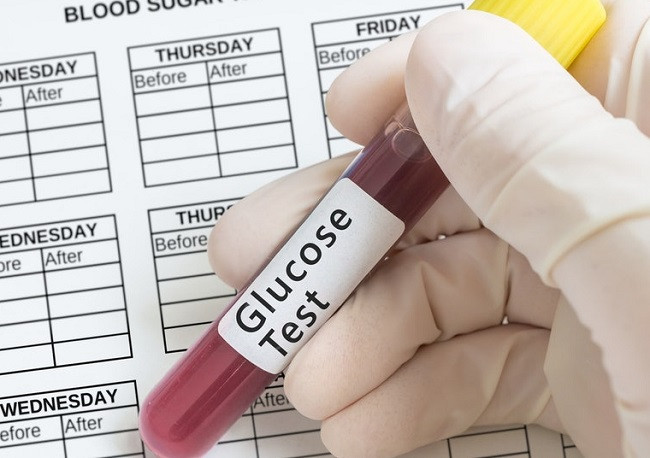
The 2-hour postprandial (PP) glucose test measures blood sugar levels two hours after eating or consuming a 75-gram sugar solution. This test helps assess how the body manages the blood sugar that enters through food consumption.
When you eat, food is processed through your digestive system, which includes the stomach and intestines. During digestion, the food is broken down into its smallest components, including sugars, proteins, and fats. These nutrients are absorbed by the intestines and enter the bloodstream, cells, and tissues.
As sugar is absorbed into the blood, blood sugar levels rise. This triggers the pancreas to release insulin, a hormone responsible for regulating blood sugar. Insulin helps transport glucose into the cells, where it can be used as energy or stored as fat and muscle mass. If insulin is released adequately and works effectively, blood sugar levels will remain within the normal range after eating.
However, in individuals with diabetes mellitus, the pancreas either does not produce enough insulin or the insulin does not function properly. In such cases, blood sugar is not properly managed, causing glucose to remain in the bloodstream, leading to elevated blood sugar levels even two hours after eating.
Persistently high blood sugar levels over time can lead to serious health complications, including damage to the kidneys, heart, nerves, and eyes. The 2-hour postprandial glucose test is an important tool for determining how well your body manages blood sugar after eating and can assist doctors in diagnosing diabetes mellitus (elevated blood glucose levels).
Indication
This test may be used in various medical situations and for the following purposes:
-
To check for symptoms of diabetes mellitus, such as:
-
Frequent thirst
-
Constant hunger
-
Frequent urination
-
Unexplained weight loss
-
Blurry vision
-
Fatigue
-
Recurrent infections
-
Wounds that are slow to heal
-
-
To confirm the diagnosis of type 1 and type 2 diabetes mellitus.
-
To monitor blood sugar levels in diabetic patients whose blood sugar is not well-controlled.
-
For patients who are on medication that can cause a sharp drop in blood sugar.
-
To evaluate insulin treatment in diabetic patients, including the appropriate type and dosage of insulin.
-
For individuals with a history of high blood sugar after meals.
-
To diagnose gestational diabetes in pregnant women, especially those with a history of type 1 or type 2 diabetes.
Contraindication
There are no specific medical conditions that would prevent this test from being performed.
Preparation Before the Test
To ensure accurate results that reflect your true blood sugar levels, there are several preparations you should follow before the glucose test:
-
Avoid smoking before the test.
-
Manage stress effectively.
-
Refrain from heavy physical activity during the testing period.
-
Do not consume sweets, snacks, or sugary drinks for 2 hours after eating.
-
Eat the usual portion size for your meals.
-
Rest for at least 2 hours before the blood test is conducted.
Test Procedure
The test procedure involves several steps:
- You will be instructed to fast for 8 hours prior to the test. After the fasting period, you will either eat a regular meal or consume a 75-gram sugar solution provided by the healthcare professional.
- After eating or drinking the sugar solution, you should avoid eating, drinking, smoking, heavy physical activities, or excessive stress for 2 hours.
- After 2 hours, a blood sample will be taken to measure your blood sugar level.
- The healthcare professional will first identify the best location for drawing the blood, usually from the crease of your arm.
- A tourniquet will be applied to your arm to make the veins more visible, and you will be asked to clench your fist.
- The area will be cleaned with antiseptic, by using alcohol swabs for example.
- A needle will be inserted into the vein to collect approximately 0.3 to 0.5 mL of blood.
- After the blood is drawn, the tourniquet will be removed, and the puncture site will be pressed with antiseptic cotton. The collected blood sample will be sent to a laboratory for analysis.
Normal and Abnormal Values
Blood sugar levels are measured in milligrams per deciliter (mg/dL). After eating, the 2-hour postprandial (2-hour PP) blood sugar levels can fall into three categories:
| Blood Sugar Value 2 Hours Postprandial (mg/dL) |
Interpretation |
|---|---|
|
140 mg/dL |
Normal |
|
140 mg/dL 199 mg/dL |
Prediabetes |
|
200 mg/dL |
Diabetes |
As seen in the table above, a normal 2-hour postprandial blood sugar level is 140 mg/dL or less. If your blood sugar falls between 140 mg/dL and 199 mg/dL, it indicates prediabetes, a condition that can develop into diabetes if not managed properly. If your 2-hour PP blood sugar level is 200 mg/dL or higher, this suggests you have diabetes.
Results and Recommendations (Follow-up Tests)
Normal
If your 2-hour postprandial blood sugar is within the normal range (140 mg/dL or lower), it means your body is effectively regulating blood sugar levels after meals, indicating good health. To maintain this state, it is important to continue living a healthy lifestyle.
Prediabetes
If your results show a 2-hour postprandial blood sugar level between 140 mg/dL and 199 mg/dL, it indicates that your body is not managing blood sugar optimally, leaving some sugar in the bloodstream. Prediabetes can progress to diabetes if not properly addressed. To prevent this, the doctor will suggest the following steps:
-
Maintaining a healthy diet
-
Engaging in regular exercise
-
Eating a balanced diet
-
Managing other risk factors, such as high blood pressure, excess weight, and high cholesterol
The doctor may also recommend repeating the 2-hour PP blood sugar test on a different day, along with additional tests such as fasting blood sugar and HbA1C.
Diabetes
If your 2-hour PP blood sugar level falls into the diabetes range, it indicates that your body is no longer able to regulate blood sugar effectively. This may be due to insufficient insulin production or the insulin not functioning as it should, causing sugar to accumulate in the bloodstream.
In this case, the doctor will evaluate your symptoms, family history of diabetes, any other underlying conditions, and will perform a physical examination. Further tests such as fasting blood sugar, random blood sugar, HbA1C, a complete blood count, kidney function tests, heart monitoring, chest X-ray, and a full urine analysis may be recommended.
Treatment will include appropriate medical interventions and lifestyle changes, such as:
-
Following a balanced, nutritious diet
-
Engaging in regular physical activity
-
Managing stress levels
-
Controlling other health conditions like high blood pressure and high cholesterol
These steps are crucial to managing your blood sugar levels and preventing potential complications.
Consult the Right Doctor
If your 2-hour postprandial blood sugar test results show prediabetes or diabetes, this indicates abnormal blood sugar levels that can affect your overall health. It is important to consult a general practitioner, internist, or endocrinologist for a more detailed evaluation of your condition and to receive the necessary treatment.
Looking for more information about laboratory, radiology, and other examination results? Click here!
- dr Hanifa Rahma
PERKENI. (2021). Pedoman Pengelolaan dan Pencegahan Diabetes Mellitus Tipe 2 Di Indoensia (p. A multiple page). PB PERKENI.
Diabetes Test – Center for Disease Control and Prevention. cdc.gov. (2021). Retrieved 8 July 2022, from https://www.cdc.gov/diabetes/basics/getting-tested.html
Dansinger, M. (2020). Diagnosis Of Diabetes . WebMD. Retrieved 8 July 2022, from https://www.webmd.com/diabetes/guide/diagnosis-diabetes
Two-Hour Postprandial Glucose – University Of Rochester Medical Center. (2022). Retrieved 8 July 2022, from https://www.urmc.rochester.edu/encyclopedia/content.aspx?contenttypeid=167&contentid=glucose_two_hour_postprandial
2-Hours Postprandial Glucose Test – Drugs.com. (2022). Retrieved 8 July 2022, from https://www.drugs.com/cg/2-hour-postprandial-glucose-test.html
Postprandial Blood Sugar Test – Portea. (2022). Retrieved 8 July 2022, from https://www.portea.com/labs/diagnostic-tests/post-prandial-blood-sugar-test-234/