
Definition
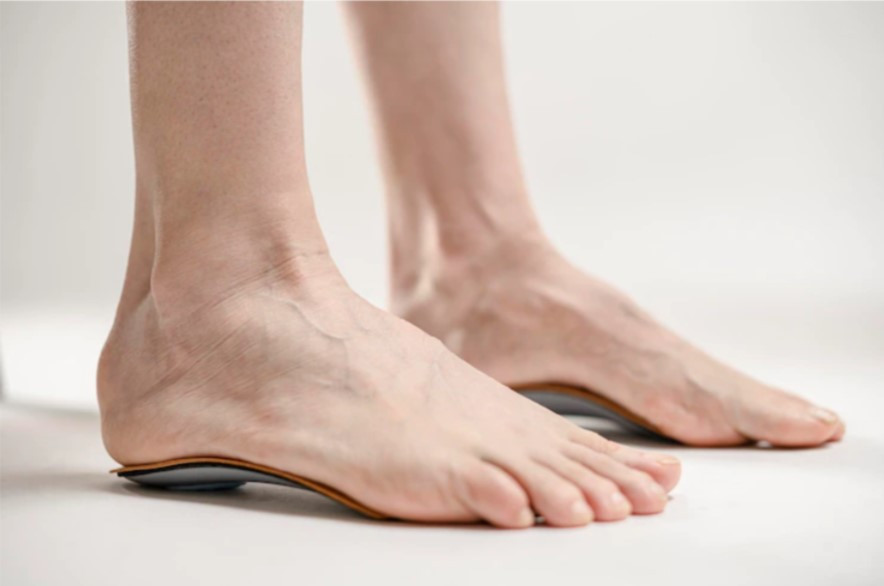
Pes planus, also known as flat foot, is a condition where the normal arch of the foot flattens out in one or both feet. In individuals with pes planus, the entire sole of the foot presses against the ground. This condition can cause pain, especially during strenuous physical activities.
All newborns have flat foot at birth, as the arch does not fully develop during infancy. Typically, the arch forms around the age of 6 years old. However, about 2 out of 10 children continue to have flat foot into adulthood. Pes planus can also develop later in life due to injury or aging.
Generally, pes planus does not cause pain. If you do not experience discomfort, treatment may not be necessary. However, if the condition causes pain or limits your activities, it is advisable to consult a doctor for appropriate management.
Types of Pes Planus
There are several types of pes planus:
- Flexible. This is the most common type. The arch is visible when you are not standing but disappears when you stand. Flexible flat foot often develops during childhood or adolescence and may worsen with age. The tendons and ligaments in the foot arch can become stretched, torn, or swollen.
- Rigid. In this type, the arch is not visible whether you are standing or sitting. It usually develops during childhood or adolescence. Patients may experience pain and find it difficult to move their feet up, down, or side to side.
- Adult-acquired flat foot (fallen arch). This occurs when the arch collapses in adulthood, leading to pain and outward tilting of the foot. It usually affects one foot and is often caused by inflammation or injury to the tendons that support the arch.
- Vertical talus. Some babies are born with a birth defect called vertical talus, which prevents the formation of the foot arch.
Causes
Genetic Factors
Pes planus can be inherited. During childhood, the arch of the foot typically forms, but some people have naturally low or absent arches, leading to flat foot. In some cases, pes planus develops later in life.
Tendons and Leg Muscles Failing to Contract
Pes planus may also be linked to the tissues and bones in the feet and lower legs. In babies and children, it is normal for the muscles and tendons to take time to tighten and form the arch. In rare cases, bones in children's feet may fuse, causing pain. If the tendons do not tighten, flat foot can develop.
Risk Factor
Several factors can increase the risk of pes planus, including:
- Achilles tendon injuries
- Bone fractures
- Cerebral palsy
- Diabetes
- Down syndrome
- Hypertension
- Pregnancy
- Rheumatoid arthritis
Symptoms
Most people with flat foot do not experience pain or other issues. However, some types of pes planus can cause discomfort. Symptoms may include:
- Foot cramps
- Muscle cramps (pain or fatigue) in the foot
- Pain in the foot arch, ankle, heel, or the outer side of the foot
- Pain while walking or changes in walking patterns
- Toe drift (where the front of the foot and toes point forward)
Diagnosis
A doctor will diagnose pes planus by examining symptoms and evaluating the foot's arch while standing, sitting, and walking. An X-ray may be suggested to assess bone structure.
To determine the cause of pes planus, doctors will check the arch of the foot while standing on tiptoe. If an arch is visible, flat foot are not the source of the pain, and the doctor will investigate ankle flexibility. If there is difficulty moving the foot or if the arch does not form, further tests may be recommended, such as:
- X-rays (to assess foot structure and potential arthritis)
- CT scans (to evaluate the bones)
- MRI scans (to examine muscles)
- Additional tests for the bones and tendons in the foot
Management
Several treatments are available for pes planus:
Foot Support
Foot support is the first line of treatment for flat foot. Doctors may recommend orthotic devices, such as insoles, to provide foot support. Special shoes may be needed for children until their feet fully develop.
Lifestyle Changes
To reduce pain caused by flat foot, lifestyle changes can be helpful. Your doctor may suggest weight management through diet and exercise to lessen pressure on the feet. Avoiding long periods of standing or walking may also be advised.
Medications
Pain and inflammation can be managed with medications. Your doctor may prescribe NSAIDs such as paracetamol or ibuprofen to reduce discomfort and swelling.
Foot Surgery
Surgery is the last resort if symptoms are severe and persistent. A surgeon may reshape the foot arch, repair tendons, or fuse bones and muscles. If the Achilles tendon is too short, surgery can lengthen it to reduce pain.
Complications
While pes planus itself usually does not cause complications, surgery to correct flat foot can occasionally lead to issues such as:
- Infections
- Limited ankle movement
- Incomplete bone healing
- Persistent pain
Prevention
Pes planus cannot be prevented since it is often hereditary. However, you can prevent the condition from worsening and causing severe pain by wearing well-fitting shoes and using supportive insoles.
When to See a Doctor?
You should consult a doctor if you experience foot pain or if flat foot are affecting your ability to walk or run. It's best to seek advice from an orthopedist, podiatrist, or healthcare provider.
Looking for more information about other diseases? Click here!
- dr. Alvidiani Agustina Damanik
Medscape. Pes Planus (Flatfoot). (2021). Available from https://emedicine.medscape.com/article/1236652-overview
Healthline. What You Should Know About Flat Feet. (2019). Available from from https://www.healthline.com/health/pes-planus
Mayo Clinic. Flatfeet. (2022). Available from from https://www.mayoclinic.org/diseases-conditions/flatfeet/symptoms-causes/syc-20372604
NCBI. Pes Planus. (2022). Available from from https://www.ncbi.nlm.nih.gov/books/NBK430802
Medline Plus. Flat Feet. (2021). Available from from https://medlineplus.gov/ency/article/001262
Flat Feet. (2021). Available from from https://my.clevelandclinic.org/health/diseases/17005-flat-feet
Cleveland Clinic. Adult Acquired Flatfoot. (2019) Available from https://my.clevelandclinic.org/health/diseases/15961-adult-acquired-flatfoot





