PARASITIC INFECTION
There is 24 Article with tag "Parasitic Infection"

Congenital Toxoplasmosis
Congenital toxoplasmosis is a condition in fetuses caused by infection with the parasite Toxoplasma gondii, which is transmitted from an infected mother to her unborn child.

Trichuriasis
Trichuriasis is the name for a disease caused by infection with whipworms (Trichuris trichiura).

Schistosomiasis
Schistosomiasis is an infection caused by schistosoma worms and can also be called snail fever.

Hookworm Infection
Hookworms are parasitic germs. Hookworms can affect the lungs, skin, and small intestines of humans.
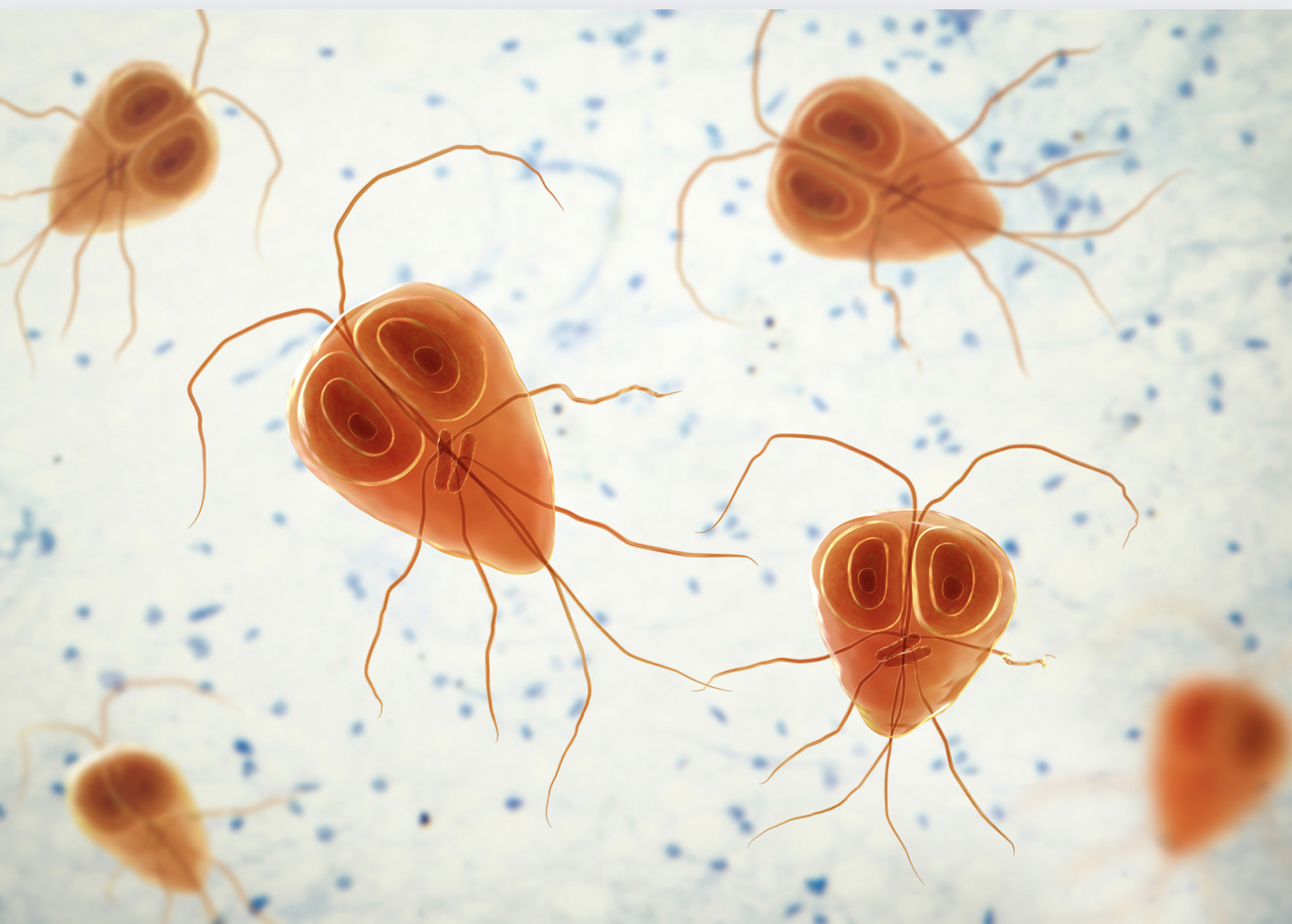
Giardiasis
Giardiasis is an infection of the gastrointestinal tract caused by the parasite Giardia duodenalis.

Amoebic Liver Abscess
Amoebic liver abscess refers to an accumulation of pus in the liver caused by infection from the parasite Entamoeba histolytica.
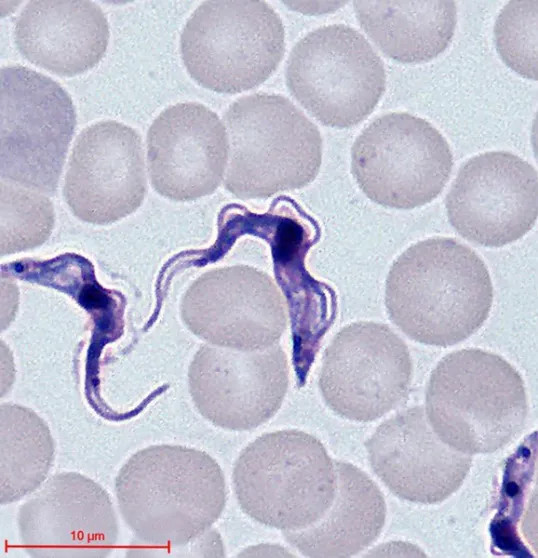
Leishmaniasis and Trypanosomiasis
Leishmaniasis and trypanosomiasis are a group of neglected tropical diseases caused by protozoan parasitic infections.

Filaria Test
Filariasis is a parasitic disease caused by three species of worms.

Malaria Test
Malaria is a serious disease that can be transmitted through the bite of a mosquito infected with the Plasmodium parasite.
Toxoplasmosis
Toxoplasmosis is a disease caused by infection with the parasite Toxoplasma gondii (T. gondii)
Characteristics of Skin Infections and Their Different Causes
Skin infections can occur if germs enter the tissue under the skin through wounds, scratches, punctures, or even bites.